
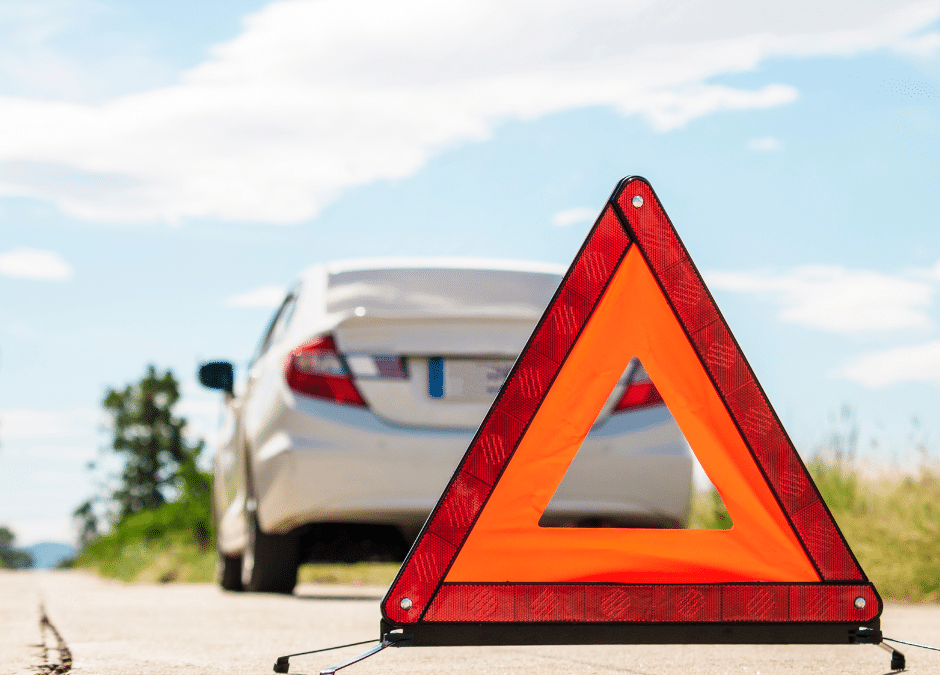
Towing and Recovery Techniques, Tips, and Safety
Different vehicle problems require different towing and recovery techniques. A disabled vehicle parked on a level surface may require a straightforward tow, while a vehicle stuck in mud or a ditch may need to be recovered before it can be transported.
Understanding the basic methods can help drivers describe their situation clearly and know what information to provide when requesting assistance. The appropriate method depends on the vehicle, its condition, its location, and how accessible it is.
What Is the Difference Between Towing and Vehicle Recovery?
Towing generally involves transporting a disabled, damaged, or improperly parked vehicle from one location to another. The vehicle may be taken to a repair facility, body shop, home, storage location, or another appropriate destination.
Vehicle recovery involves moving a vehicle from a position where an ordinary tow cannot begin safely or practically. Examples include a vehicle stuck in mud, positioned in a ditch, or located somewhere that is difficult for a tow truck to access.
Once the vehicle has been recovered to an accessible location, it may still need to be towed.
Common Towing Techniques
Flatbed Towing
With flatbed towing, the vehicle is loaded onto the bed of the tow truck for transportation. This keeps the vehicle’s wheels off the roadway during the tow.
A flatbed may be appropriate for damaged vehicles, vehicles that cannot roll normally, and other situations where transporting the entire vehicle on the truck is preferable. Whether a flatbed can be used depends on the vehicle’s size, condition, location, and available loading space.
Wheel-Lift Towing
A wheel-lift tow truck raises one end of the vehicle while the other set of wheels remains on the road. This method may be used for certain passenger vehicles and light trucks when their condition and drivetrain allow it.
The towing operator must consider the vehicle’s drivetrain, damage, wheel condition, and manufacturer guidance before selecting a towing method.
Towing After a Breakdown or Collision
A vehicle that cannot be driven because of a breakdown or collision may need to be transported to a repair facility or body shop. Before requesting service, explain whether the vehicle can roll, steer, and brake and whether any wheels or body panels are visibly damaged.
Douglasville Towing & Recovery provides small- and medium-duty towing in Douglasville for passenger vehicles, SUVs, pickup trucks, vans, and other vehicles within the company’s towing capacity.
Common Vehicle Recovery Techniques
Vehicle Winch-Outs
A winch may be used to move a vehicle that is stuck in mud, a ditch, or a similar location. The winch applies controlled pulling force so the vehicle can be moved toward a more accessible position.
Whether a winch-out is possible depends on several factors, including:
- The vehicle’s location and condition
- The depth and angle of the ditch or slope
- Ground and weather conditions
- Nearby traffic and other hazards
- Space available for positioning recovery equipment
- Whether the vehicle is within the company’s recovery capacity
Provide an accurate description of where and how the vehicle is stuck when calling. Photos may also help explain the situation if the company requests them.
Accident-Related Vehicle Recovery
A damaged vehicle may need to be repositioned before it can be loaded and transported. The appropriate recovery method depends on the vehicle’s position, visible damage, surrounding hazards, and directions from law enforcement or emergency personnel at the scene.
Drivers and passengers should remain away from moving traffic and follow instructions from responding authorities.
How a Towing Method Is Selected
There is no single towing or recovery technique that is appropriate for every vehicle. Before service begins, the towing provider may need information about:
- The vehicle’s year, make, and model
- Whether it is a car, SUV, pickup truck, van, or another vehicle type
- Whether the vehicle can roll, steer, and brake
- Visible collision, tire, wheel, or suspension damage
- The vehicle’s exact location and accessibility
- The requested towing destination
Providing complete information helps the towing company determine whether the vehicle is within its capacity and what type of assistance may be appropriate.
Towing and Recovery Safety Tips
A disabled vehicle can create additional hazards, especially near moving traffic. While waiting for assistance:
- Move away from traffic if possible. If the vehicle can be moved safely, choose a parking lot, driveway, wide shoulder, or another location away from traffic.
- Turn on the hazard lights. Make the stopped vehicle easier for approaching drivers to see.
- Share the exact location. Provide the road, direction of travel, nearby exit, address, business, or recognizable landmark.
- Describe the vehicle’s condition. Mention collision damage, flat tires, missing wheels, steering problems, or whether the vehicle is stuck.
- Do not stand between vehicles. Stay clear while the tow truck is positioning, loading, or moving the disabled vehicle.
- Call 911 for an immediate danger. Contact emergency services if there are injuries, leaking fuel, fire, a vehicle blocking active traffic, or another urgent hazard.
What Affects the Cost of Towing or Recovery?
Towing and recovery costs can vary based on the circumstances. Factors may include the distance traveled, vehicle type, towing method, recovery work required, accessibility, time involved, and requested destination.
A straightforward tow from an accessible parking lot may involve different work than recovering a vehicle from a ditch. Describe the situation accurately when calling so the required service can be discussed.
When Roadside Assistance May Be Enough
Not every disabled vehicle requires towing. Depending on the problem, roadside assistance may be available for a jump start, spare-tire installation, basic vehicle lockout assistance, emergency gasoline delivery, or a vehicle winch-out.
If roadside assistance cannot get the vehicle moving or it cannot be driven safely, towing may be the appropriate next step.
Need Towing or Vehicle Recovery in Douglasville?
Douglasville Towing & Recovery provides 24/7 small- and medium-duty towing, flatbed towing, roadside assistance, and vehicle recovery in Douglasville, GA and nearby service areas.
When calling, provide your exact location, vehicle type, its current condition, and a description of the assistance you need.
Call now: (678) 688-3265

